Export documentation requirements in India
Basic requirements of Export Documentation in India to comply with the goverment regulations and international standards
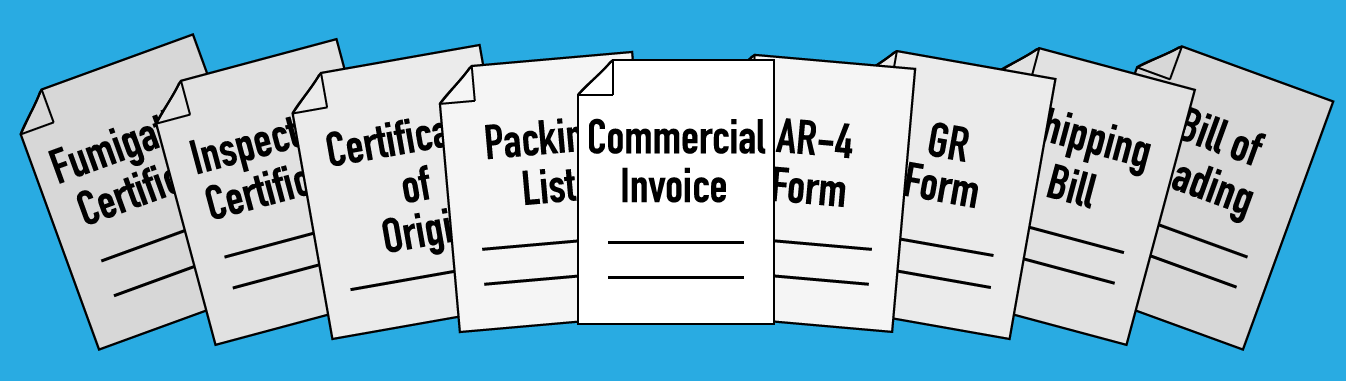
Exports of goods and services involve commercial transactions between two entities located in different countries. These transactions may also involve other parties from additional countries. In most cases, the people representing these entities speak different languages, have different thought processes, and have different understandings of the information communicated among them. To protect their citizens and companies, every country has implemented various regulations. These regulations add complexity to managing shipping documents, an important task in export activities.`
Let's now look at the important documents required at each stage of an export sale.
STAGE - 1: QUOTATION
It's important to begin with the end in mind when preparing a quotation for an export sale. Every quotation should consider all aspects and documentation requirements involved.
You should have a thorough understanding of all potential costs associated with different Incoterms (International Commercial Terms). Additionally, be aware of your capabilities and limitations. For instance, quoting on a DDP (Delivered Duty Paid) basis is not recommended if you lack an established presence and strong relationships with local partners in the destination country.
Let's now explore the terms that should be included in your initial quotation to the foreign customer.
- Description of the product with drawing or picture, electrical standards considered, quantity, unit price, total price, quoted in a mutually acceptable currency
- Delivery Incoterms and delivery schedule
- Payment Terms with acceptable options (eg: 30% as advance, balance 70% before dispatch or as an Irrevocable L/C payable at sight of shipping documents
- Certificate of Origin, by what agency
- Pre-shipment inspection charges (Yes or No, if yes, by which agency)
- Certifcation options and charges (eg: CE for Europe, CCC for China, NTRL approval markings for US etc)
STAGE - 2: ORDER PROCESSING
Congratulations on winning your order!
The purchase order you received, based on your negotiations and your proforma invoice accepting the purchase order terms, along with the customer's counter-acceptance, will form the contract documents for the sale between you and your customer. Since you'll begin manufacturing and export preparations based on these documents, ensure that all details are discussed and agreed upon by both parties.
Your proforma invoice should reiterate all points mentioned in the final quotation and the purchase order. Additionally, it should clarify some of the following important points:
- Types and quantities of shipping containers, quantity of bulk cargo (if applicable)
- Shipping marks
- Pre-shipment inspection (if required)
- Certification requirements (if applicable)
- Required shipping documents
- Documents as required in the L/C if payment terms involve a Letter of Credit
STAGE-3: Goods readiness and documentation
It is recommended to take the support of an experienced Clearing and Forwarding agent at this stage. The basic documents required at this stage are:
- Commercial Invoice: Commercial Invoice in Triplicate will be required for the customer abroad to clear the shipment at the destination apart from the copies that will be required for the Indian customs clearance.
- Packing List: Packing List will be required for our custom clearance if there are more than one packages in the consignment. This is also a mandatory document required in Triplicate for the custom clearance by the customer.
- Export Declaration form:
- AR4/AR5 form:
- :
- :
- :
- :
Even though the information mentioned above can act as a guideline, you should make sure to consult your shipping agent and export consultants before making the quotation of your product or before entering into any contract.